Grasshopper Embroidery Design Review
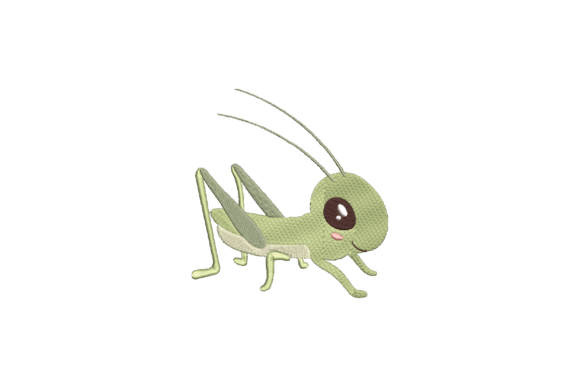
As an experienced embroidery designer, I recently came across the Grasshopper design from the Bugs category. This machine embroidery design has potential for small business merch and branded patches, but it requires careful consideration to ensure it meets the needs of commercial embroidery projects.
First Impressions of Grasshopper
The name Grasshopper immediately brings a sense of playfulness and movement to mind. The design seems to capture the essence of a bug with a modern twist, making it suitable for brands that want to convey a friendly yet professional image. Its simplicity suggests that it could work well as a subtle accent on uniforms or as a bold statement on merchandise.
Visually, Grasshopper feels more playful than elegant, which makes it ideal for businesses targeting younger audiences or those looking to add a touch of whimsy to their branding. However, its charm might not resonate with more formal or high-end brands.
Real Business Use Scenarios
Grasshopper can be effectively used in several real-world scenarios:
- Embroidered Patches: As a standalone patch, Grasshopper works best when given enough space to breathe. It can serve as a fun logo for a boutique or a handmade shop.
- Staff Uniforms: When placed on the chest or sleeve of a uniform, it adds a unique flair without overwhelming the overall look. It’s particularly effective on light-colored fabrics where thread colors stand out.
- Apron Embroidery: For creative studios or bakeries, this design can be a great addition to aprons, adding a personal touch to staff attire.
- Cap Embroidery: On caps, it should be positioned carefully to avoid distortion, especially if the cap has a curved surface.
- Tote Bag Design: Used as a small accent on tote bags, Grasshopper can enhance the visual appeal of customer gifts or event merch.
- Product Packaging Accents: A small version of the design can be stitched onto packaging to reinforce brand identity without being too intrusive.
Where to Use with Caution
While Grasshopper is versatile, there are certain applications where it may require extra attention:
- Small Patch Sizes: The design may lose clarity when scaled down significantly. Always test it at the intended size before production.
- Curved Surfaces: Cap fronts and other curved areas can distort the design unless the file is specifically optimized for such surfaces.
- Tiny Lettering: If the design includes text, ensure that it remains legible even at smaller sizes.
- High Stitch Density: Avoid using this design on items that require a high stitch density, as it may lead to uneven stitching.
- Textured Fabric: Test the design on the actual fabric to ensure it stitches correctly, especially on textured materials like canvas or denim.
- Dark Uniforms: Thread color contrast is crucial on dark fabrics. Choose colors that provide sufficient visibility.
- Frequent Washing: Ensure the design is stable and won’t fade or lose shape after multiple washes.
Impact on Brand Identity and Customer Engagement
The use of Grasshopper in branded merchandise can significantly influence how customers perceive your brand. Its playful nature can make your business appear more approachable and creative, which is especially valuable for local businesses, Etsy sellers, and handmade brands.
When used consistently across different products—such as custom apparel, product packaging, and event merch—Grasshopper helps build brand recognition. It also contributes to a handmade presentation, reinforcing the idea that your products are crafted with care and attention to detail.
For small businesses aiming to create a cohesive brand identity, Grasshopper can serve as a unifying element across various design assets, including printable mockups and digital embroidery files.
Practical Embroidery Designer Notes
Before committing to using Grasshopper for any commercial embroidery project, consider the following steps:
- Test in Black and White: Check the design’s structure without color to ensure it maintains its integrity at different sizes.
- Check Small Patch Size: Confirm that the design works well when reduced to a small patch size, especially if you plan to use it on caps or labels.
- Review Thread Color Contrast: Choose thread colors that match your brand palette and ensure they provide good visibility on the fabric.
- Inspect Spacing: Ensure that elements of the design are spaced appropriately to prevent overcrowding during stitching.
- Confirm Hoop Size: Make sure the hoop size matches the design dimensions to avoid stretching or distortion.
- Test on Real Fabric: Always run a sample on the intended fabric before mass production to identify any potential issues.
- Use Proper Stabilizer: Select the right stabilizer based on the fabric type to achieve clean, professional results.
- Create a Mockup: Provide a printable mockup to clients for approval, ensuring they see exactly how the final product will look.
- Compare with Other Assets: Place Grasshopper beside other design assets to maintain visual consistency across your brand.
- Confirm Commercial Licensing: Ensure the digital embroidery file comes with proper commercial licensing for use in small business merch and custom apparel.
Grasshopper offers a unique opportunity to add character to your branded merchandise, but success depends on thoughtful application and thorough testing. Whether you're designing for cap embroidery, tote bag design, or apron embroidery, always prioritize quality and consistency to elevate your finished product.