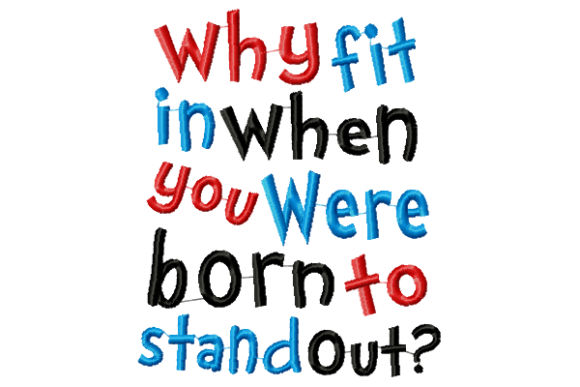
Why Fit Embroidery Design Review
As an experienced designer and embroidery product reviewer, I've stitched through countless machine embroidery designs over the years. When I first saw Why Fit, I felt a sense of curiosity—what kind of project would this design naturally belong to? The name suggests a focus on fit, which makes me think about how the design might translate onto different surfaces and fabrics. Let's explore what this design brings to the table.
A First Impression: What Does Why Fit Say?
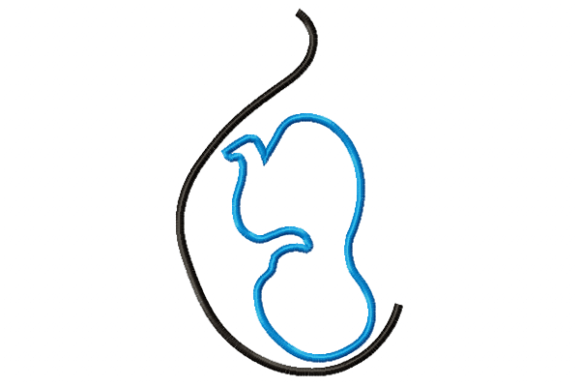
Why Fit has a soft, elegant look that feels both timeless and approachable. The layout is clean, with well-defined shapes and a balanced use of negative space. It carries a gentle mood that could work well for baby items or personalized gifts. The detail level is moderate, making it versatile for various embroidery applications without overwhelming the fabric.
The theme seems to be centered around comfort and harmony, which aligns well with babies' clothing or home decor. The design doesn't scream for attention but instead invites appreciation through its subtle charm. It feels like it was made with intention—something that could easily become a signature piece in a handmade collection.
Real-Life Scenario: Stitching Why Fit on a Baby Pillow Cover
Imagine preparing a custom embroidered pillow cover for a newborn gift. You'd want something that feels safe, soothing, and visually appealing. Why Fit fits perfectly here. Its gentle curves and simple yet thoughtful composition make it ideal for a baby's room or nursery setting.
When I tested it on a scrap fabric, the stitch density was just right—not too heavy that it would distort the fabric, nor too sparse that it would feel incomplete. The stitching clarity was good, and the visual appeal came through clearly. If you're looking for a design that adds character without being too busy, this one checks all the boxes.
Where Why Fit Shines: Best Use Cases
Why Fit can be used across a wide range of projects. Here are some examples where it truly shines:
- Custom Apparel: Sweatshirts, t-shirts, and tote bags benefit from the design’s clean lines and soft aesthetic. It adds a touch of elegance without overpowering the garment.
- Baby Items: From onesies to blankets, Why Fit brings a comforting vibe that's perfect for little ones.
- Patches and Aprons: As an applique design, it works well on aprons or denim jackets, adding a personal touch.
- Nursery Decor: Pillow covers, wall hangings, or decorative towels with this design can transform a space into something warm and inviting.
- Personalized Gifts: Whether it's a holiday gift or a birthday present, this design adds value and thoughtfulness.
It also holds up well in commercial embroidery settings, especially when paired with proper stabilizers and thread colors that complement the fabric texture.
Areas to Be Mindful Of: Limitations and Considerations
No design is perfect for every situation, and Why Fit is no exception. Here are a few areas where you might need to exercise caution:
- Small Hoop Sizes: While the design isn't overly complex, using it on very small hoops may require resizing or simplifying elements to maintain clarity.
- Dark Fabrics: Ensure there's enough contrast between the thread color and the fabric background. Testing on dark fabric before finalizing the project is crucial.
- Stretchy or Thin Fabrics: These materials can cause distortion if not stabilized properly. Always use the right stabilizer for your fabric type.
- Curved Surfaces: Using it on curved items like caps or hats requires careful planning to ensure the design maintains its shape and integrity.
These considerations aren’t deal-breakers but rather reminders to tailor the application based on the project's needs.
Design Notes for Embroidery Professionals
If you're an Etsy seller, craft business owner, or small shop product creator, here are some practical tips for working with Why Fit:
- Test on Scrap Fabric: Before committing to a large project, always test the design on a scrap piece of fabric similar to your intended material.
- Check Thread Color Contrast: Choose thread colors that enhance the design and match the fabric's texture.
- Review Stitch Density: Adjust stitch density if needed to prevent puckering or distortion, especially on delicate fabrics.
- Confirm Hoop Size: Make sure your hoop size matches the design's requirements to avoid stretching or compressing the embroidery.
- Inspect Small Details: Look closely at any intricate parts of the design to ensure they stitch cleanly and remain visible.
- Use Mockups: Test the design in black and white mockups to see how it looks on different backgrounds.
- Check Licensing: Always confirm the licensing terms before selling finished items or digital products derived from this design.
By following these steps, you can ensure that Why Fit becomes a valuable asset in your embroidery portfolio.
Final Thoughts: Is Why Fit Worth Your Time?
In my experience, Why Fit offers a great balance of simplicity and sophistication. It's a design that speaks softly but clearly, making it suitable for a variety of handmade products and commercial embroidery projects. Whether you're creating a personalized gift, a boutique product, or a digital embroidery file for sale, this design has the potential to elevate your work.
With the right preparation and attention to detail, Why Fit can become a go-to choice for those who appreciate thoughtful, elegant embroidery. It's a reminder that sometimes, less is more—and in the world of embroidery, that can make all the difference.